

Pattern of life
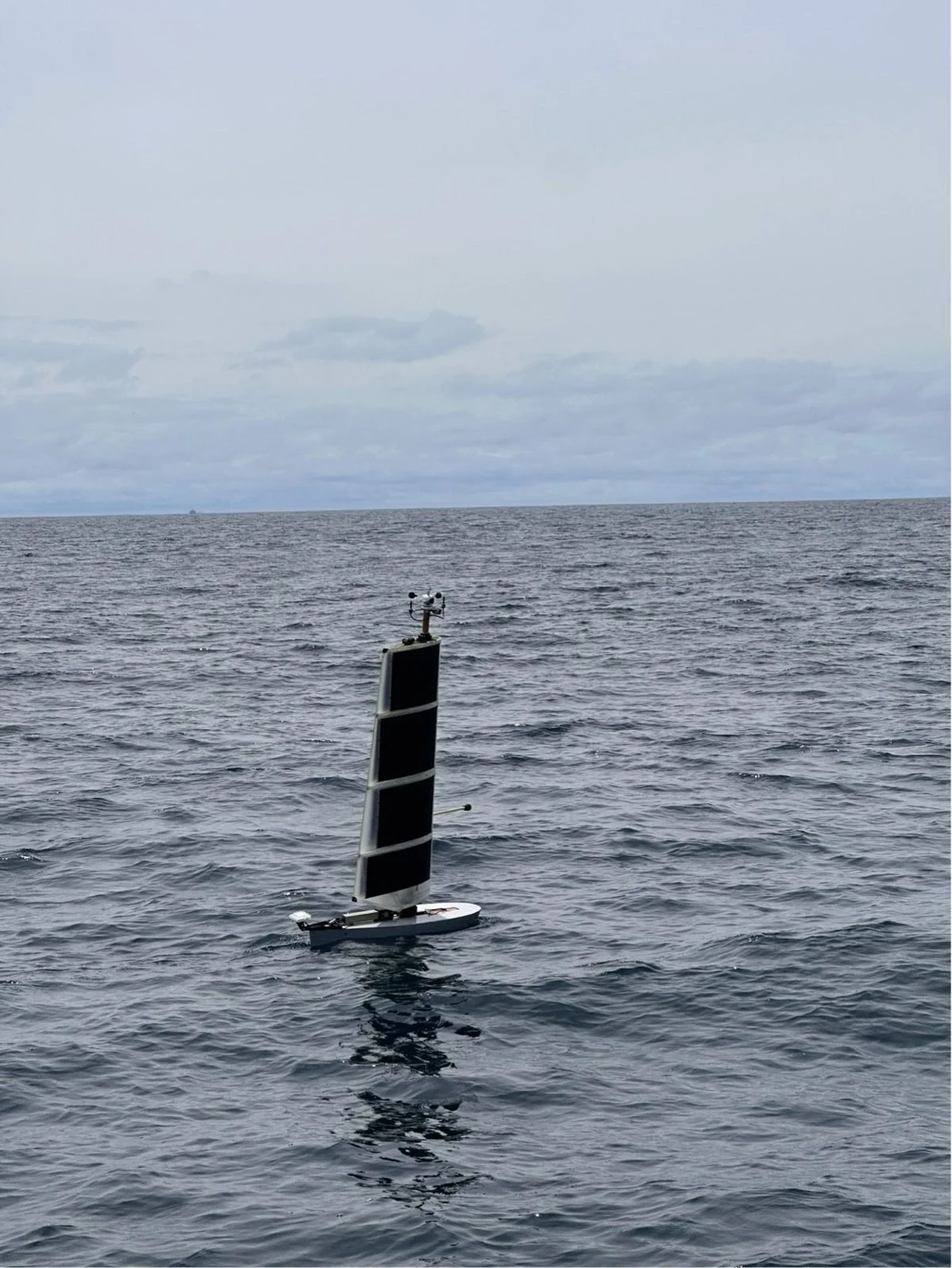
Busy waters have a rhythm. A distributed HORUS fleet watches an area over weeks and months, learns what normal looks like, and tells operators when something changes.
Why it’s hard today
A single pass or a short patrol shows a snapshot. Spotting unusual routes, timing or loitering takes a baseline, and a baseline takes persistence.
How HORUS does it
- 1
Establish the baseline
Repeated observations reveal normal routes, transit timing and recurring presence in the area.
- 2
Maintain observation
Distributed HORUS stations hold position over time, with quiet subsurface listening.
- 3
Identify a change
Departures from usual routes, repeated returns or unexpected loitering stand out against the baseline.
- 4
Report what matters
Selected observations and exception reports go to operators for follow-up.
Sensors and payloads
- AIS receiver (standard)
- Edge and distributed AI for on-board processing
- Hydrophones and acoustic arrays
- Masthead camera and microphones
- Satellite, LTE and mesh radio
Payloads are configured around the mission. See the HORUS specifications for power, comms and payload details.
Station keeping, long endurance and a low signature are what make a persistent baseline affordable.
Other HORUS missions
Plan this mission with us
Buy outright, lease operations or buy the data. HORUS is accepting orders.