

Communications gateway
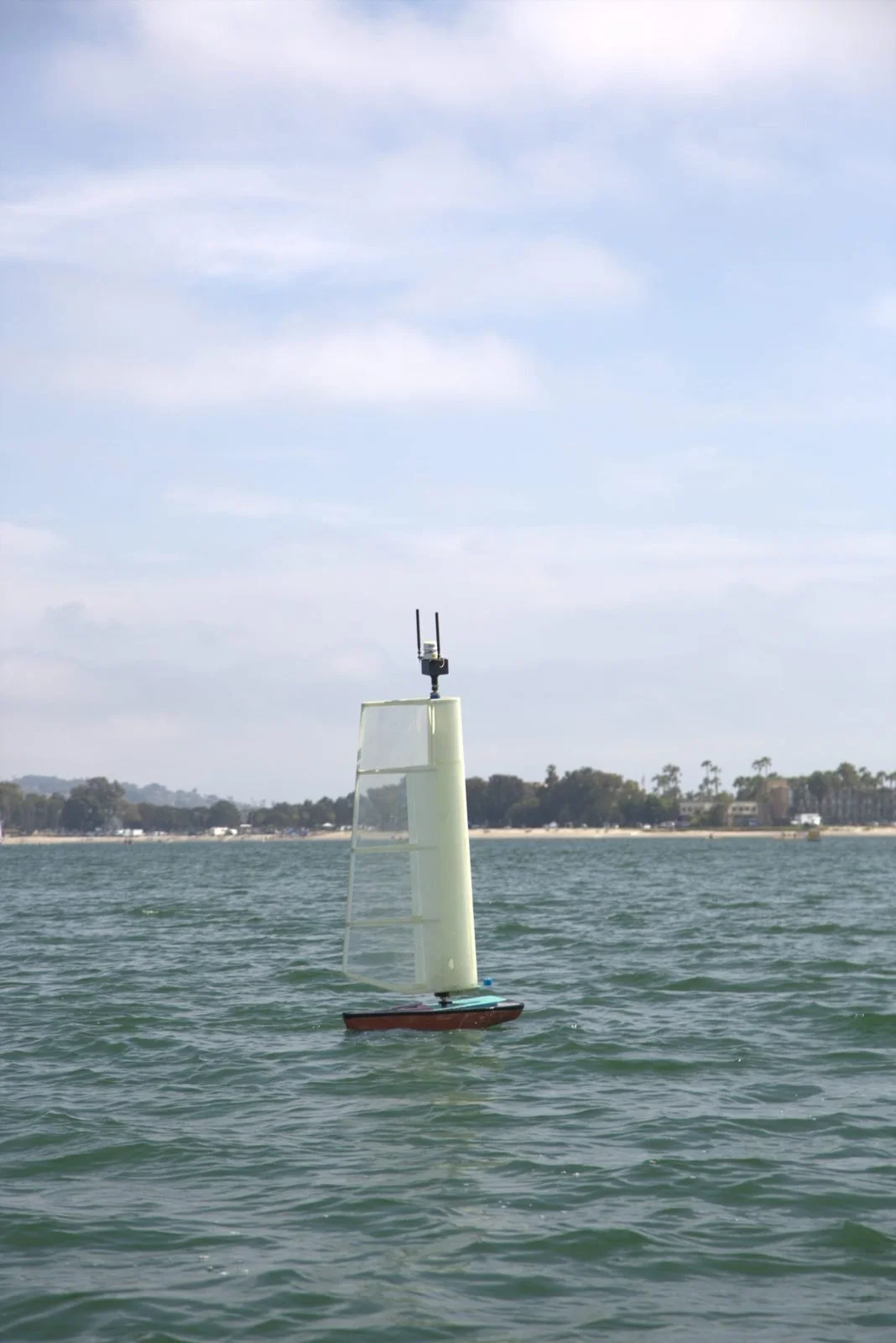
HORUS links assets below, on and above the water. Data from seabed sensors, pipelines and underwater vehicles relays through HORUS to satellite, LTE or mesh radio networks.
Why it’s hard today
Underwater sensors and vehicles can collect data but struggle to send it. Without a surface link, data waits until someone recovers the hardware.
How HORUS does it
- 1
Connect below
HORUS links underwater vehicles and seabed sensors to the surface, including from below the surface when it dives.
- 2
Relay at the surface
The vehicle acts as a persistent surface node between assets below, on and above the water.
- 3
Reach the network
Satellite, LTE and mesh radio connect the node to aircraft, ships and command systems.
- 4
Deliver what’s needed
Edge processing sends cues and mission-relevant information instead of raw data.
Sensors and payloads
- Custom comms can be fitted, temporary or permanent
- LTE / cellular (built in)
- Mesh radio, radio-agnostic (Doodle, Silvus and others)
- Optional VDES / AIS
- Satellite comms in the masthead unit
Payloads are configured around the mission. See the HORUS specifications for power, comms and payload details.
Fleets can communicate from subsurface to surface to space.
Other HORUS missions
Plan this mission with us
Buy outright, lease operations or buy the data. HORUS is accepting orders.