

Anti-submarine warfare and passive acoustics
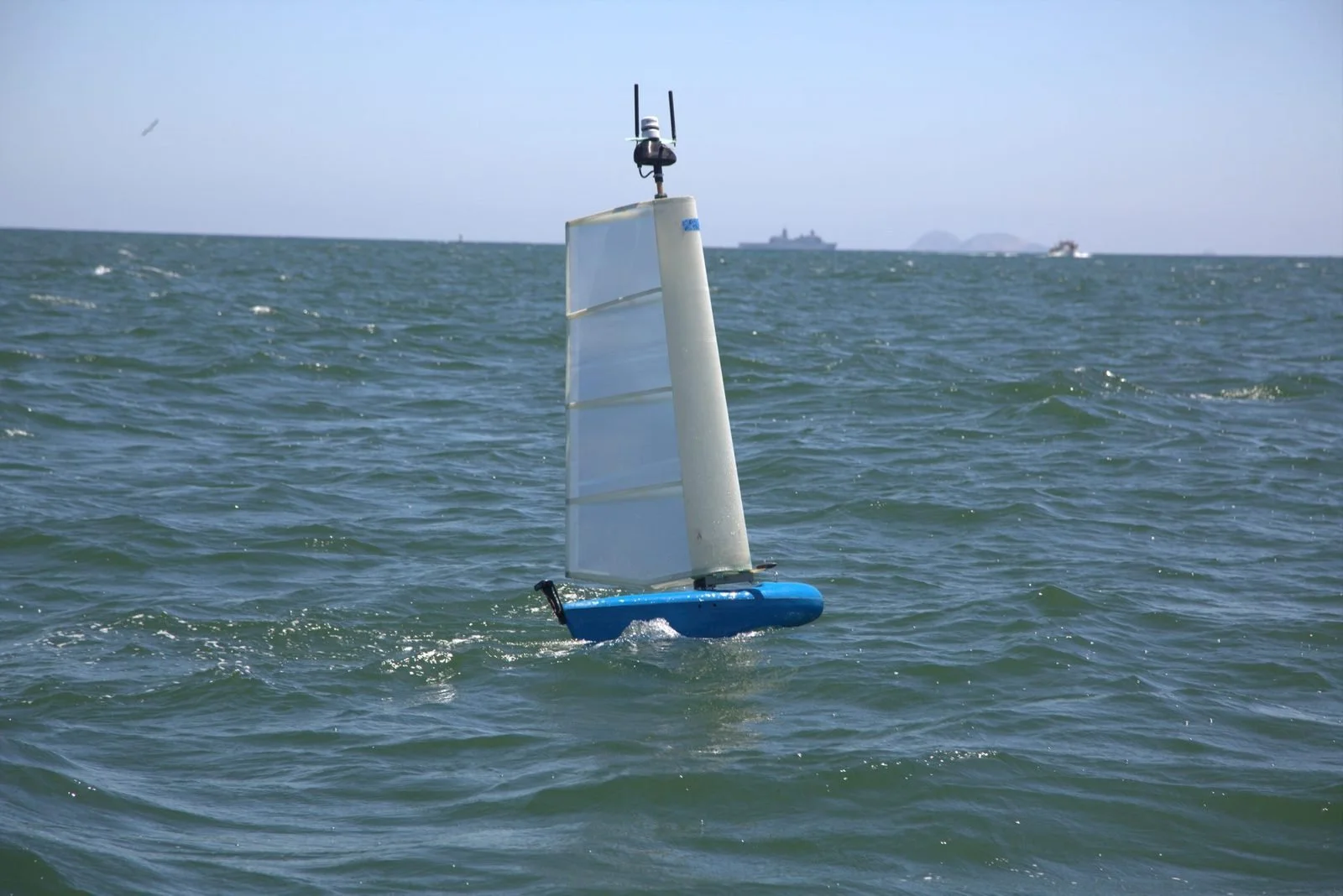
A quiet, low-signature host for hydrophones and acoustic arrays. HORUS listens above and below the surface for months, and the thruster throttles back so it doesn’t drown out the data.
Why it’s hard today
Sound doesn’t travel evenly with depth. Temperature layers and currents can carry a signal a long way or hide it completely, so one fixed sensor at one depth misses a lot.
How HORUS does it
- 1
Listen at the surface
Above-water microphones and hull hydrophones listen to surface traffic around the vehicle.
- 2
Listen through the water column
An acoustic array can hang below HORUS so operators can listen above, within or below a thermocline or current layer, then reposition it as conditions change.
- 3
Go quiet
HORUS can submerge and drift to listen underwater, and limits thruster use to protect passive acoustic data.
- 4
Report what matters
On-board processing returns selected detections and exception reports, not raw audio streams.
Sensors and payloads
- 150 W peak payload power, 20–25 W continuous
- Above-water microphones in the masthead unit
- Dry lower payload bay, 10" × 3.25", for acoustic electronics and data collection
- Edge processing for on-board classification
- Hydrophones and towed or hanging acoustic arrays
Payloads are configured around the mission. See the HORUS specifications for power, comms and payload details.
Past projects have carried acoustic arrays on HORUS.
Other HORUS missions
Plan this mission with us
Buy outright, lease operations or buy the data. HORUS is accepting orders.